Written by the Use At Home product team · Reviewed by Mi Lan, founder of Guilin Use at Home Technology Co., LTD · Last updated: June 2026
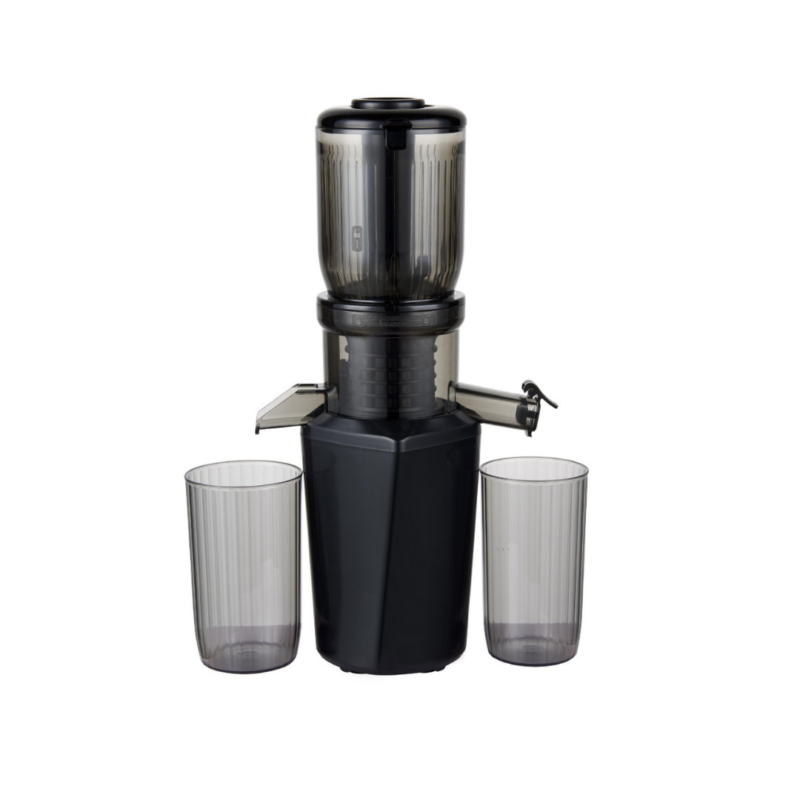
A cold press juicer is a low-speed appliance that crushes and squeezes fruit and vegetables with a slow-turning auger instead of fast spinning blades, so it extracts more juice with far less heat, foam and oxidation. The UAH31Q is a 250 W cold press juicer with a 600 ml juice jug, a wide 103 mm feed chute and a metal-filter-free juice-pulp separation system — built for homes, cafes and private-label buyers.
- A cold press juicer (also called a slow or masticating juicer) runs at roughly 40–100 RPM versus 6,000–15,000 RPM for a centrifugal model — far less heat and oxidation.
- Slow extraction protects nutrients: industry testing shows the nutrients in centrifugal juice break down much faster than in cold-pressed juice.
- The specs that matter most are motor power, feed-chute diameter, juice/pulp capacity and filter design.
- The UAH31Q delivers 250 W, a wide 103 mm chute, a 600 ml juice jug plus a 550 ml pulp cup, and 100–240 V dual voltage.
- Factory-direct from $24.60/unit at volume — OEM and private-label welcome for distributors, cafes and juice bars.
“Slow, low-temperature extraction is the whole point of a cold press juicer — it protects the colour, flavour and nutrients that high-speed spinning oxidises away.”
What Is a Cold Press Juicer?
A cold press juicer extracts juice by slowly crushing produce against an auger and pressing it through a strainer, rather than shredding it on a high-speed blade. The “cold” refers to the low operating temperature: because it turns slowly, it adds almost no friction heat, which is what protects flavour, colour and nutrients.
Cold press, slow and masticating — are they the same?
Yes. “Cold press”, “slow” and “masticating” all describe the same auger-based, low-RPM method. The terms are used interchangeably in the trade, so a masticating juicer and a cold press juicer are the same class of machine, distinct from the fast centrifugal type.
How the auger does the work
A single auger rotates slowly, squeezing produce against a screen so the juice runs into the jug while dry pulp is pushed out separately. The UAH31Q uses this juice-pulp separation with no metal filter, which gives a smoother drink and continuous, no-jam operation through automatic feeding.
Who actually buys one?
Health-focused households, meal-preppers, gyms and wellness studios, hotel breakfast bars, cafes and dedicated juice corners. For resellers, a compact cold press juicer is an easy add-on line because the demand for fresh, additive-free juice keeps climbing.
Cold Press vs Centrifugal: Which Should You Stock?
For most fresh-juice buyers the cold press juicer wins on quality, while centrifugal models win only on raw speed and upfront cost. The deciding factors are heat, oxidation and shelf life — and on all three the slow method has a measurable edge that buyers increasingly ask for by name.
Speed and heat
A cold press juicer runs at about 40–100 RPM; a centrifugal juicer spins at 6,000–15,000 RPM. That gulf in speed is why centrifugal models generate more friction heat and whip far more air into the juice, while slow pressing stays cool.
Nutrients and oxidation
Less heat and less air mean slower oxidation, so vitamins and antioxidants survive better. As juicing specialist Goodnature puts it, “the nutrients in centrifugal juice break down much faster than they do in cold-pressed juice” — the core reason cafes market cold-pressed by name.
Yield, foam and pulp
Slow pressing squeezes more juice from the same produce, produces little foam, and ejects drier pulp — especially from leafy greens, which centrifugal blades struggle with. Higher yield directly lowers cost-per-bottle, which is what matters to a juice business buying produce in bulk.
Cold Press Juicer Specs That Actually Matter
Four numbers decide how a cold press juicer performs day to day: motor power, feed-chute diameter, jug capacity and filter design. Read them together — a wide chute is wasted without the torque to drive it, and a big jug means little if the pulp cup fills first.
Motor power
Power sets how confidently the auger drives through hard produce like carrots and beetroot. The UAH31Q’s 250 W motor sits at the upper end for a countertop slow juicer, giving steady torque for mixed fruit-and-vegetable batches without stalling.
Feed-chute diameter
A wider chute means less chopping. The UAH31Q’s 103 mm large-caliber opening swallows whole or halved produce, so prep time drops sharply versus the narrow 75–82 mm chutes on entry-level juicers — a real time saver for a busy counter.
Juice and pulp capacity
The UAH31Q pairs a 600 ml juice jug with a 550 ml residue cup, so juice and pulp fill at a similar pace and you empty less often. Matched capacities keep a continuous run going, which is what hotel and cafe service needs.
Filter and material
The no-metal-filter design separates juice from pulp without a fine mesh to scrub, giving a smoother drink and quicker cleanup. The food-grade ABS+PC body keeps the unit light at 2.3 kg yet rigid enough for daily use.
| Spec | UAH31Q (this model) | Why it matters |
|---|---|---|
| Motor power | 250 W | Drives hard produce without stalling |
| Feed chute | 103 mm large caliber | Less pre-cutting, faster prep |
| Juice container | 600 ml | Multiple servings per run |
| Residue container | 550 ml | Matched pulp capacity for continuous juicing |
| Filter | No metal filter | Smoother juice, faster cleanup |
| Process | Juice-pulp separation | Dry pulp, higher yield |
| Feeding | Automatic, no jamming | Continuous, hands-off operation |
| Voltage | 100–240 V | One SKU for every export market |
| Body / weight | ABS+PC, 2.3 kg | Light yet durable for daily use |
The UAH31Q Cold Press Juicer at a Glance
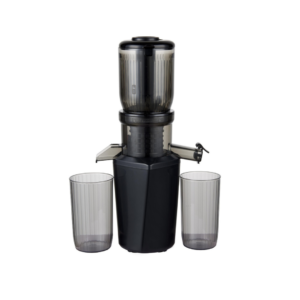
Use At Home builds the UAH31Q as a feature-complete slow juicer for homes and light-commercial use — a wide-chute, 250 W machine with a safety-lock design and joystick control, not a stripped-back budget unit. Here is what defines it.
Key features
- 250 W slow-juicing motor with automatic, no-jam feeding
- 103 mm large-caliber chute — less chopping, faster prep
- No-metal-filter juice-pulp separation for a smoother drink
- Safety-lock design and joystick control for simple operation
- 600 ml juice jug, 550 ml pulp cup, pushing bar and cups included
Build and footprint
The ABS+PC body weighs just 2.3 kg and measures 33.6×19.4×34.8 cm, so it stores easily on a home counter or a cafe back-bar. The low weight also keeps per-unit freight cost down for bulk shipments.
Voltage and markets
The 100–240 V design means a single SKU ships to every market — we simply fit the destination plug. The unit is built to export safety expectations, which matters for importers consolidating one model across regions.
How to Use a Cold Press Juicer
A cold press juicer is almost foolproof: load produce, let the slow auger press it, then pour. The four steps below take under a minute and apply to almost any fruit or vegetable once you respect a couple of simple limits.
Step by step
Wash and roughly chop produce only if it is bigger than the 103 mm chute, drop it in, and let the automatic feeding draw it onto the auger. Juice collects in the 600 ml jug while pulp ejects to the 550 ml cup; pour, then rinse the parts.
Best produce — and what to avoid
Hard produce (carrots, apples, beetroot, celery), citrus and leafy greens all juice well. Soften very fibrous items and alternate them with juicier produce. Avoid forcing in frozen blocks or hard stones, which strain any auger.
Cleaning and care
Rinse the jug, pulp cup and auger straight after use so residue does not dry on. The no-metal-filter design means there is no fine mesh to scrub, so a quick rinse and an occasional brush keeps the machine ready for the next batch.
How Long Does Cold-Pressed Juice Last?
Fresh cold-pressed juice typically keeps about 24–72 hours sealed in the fridge — far longer than centrifugal juice, which oxidises within minutes. That window is exactly why cold-pressed suits batching, bottling and same-day retail, the model most small juice businesses run on.
Fridge life and oxidation
Because slow pressing limits heat and trapped air, the juice browns and degrades more slowly. Bottle it to the brim, cap it tightly and chill it immediately; minimising the air gap is the single biggest lever on how long a fresh juice holds its colour and taste.
A food-safety note
Raw juice is unpasteurised. The U.S. FDA warns that bacteria from produce can end up in fresh juice unless it is treated, so keep cold-pressed juice refrigerated and drink it promptly — an important point to pass on to retail and food-service buyers.
How We Manufacture the UAH31Q
Use At Home is the factory, not a reseller — every UAH31Q is made on our own line in Guilin, China. That means we control the tooling, the quality checks and the customisation, which is what private-label and OEM buyers need from a supplier.
Private mould and tooling
The housing comes from our own mould, so fit and finish stay consistent batch to batch and the shell colour, logo and packaging can be customised for private-label programmes.
Quality control and testing
Each unit is function-tested for motor operation, the safety lock and smooth feeding before packing. Export cartons hold 4 units at about 12 kg, which keeps freight maths predictable for full-container planning.
Certifications and warranty
The UAH31Q is built to CE and RoHS requirements for export and carries a 12-month warranty; we name only the marks we genuinely hold, and test documentation ships with bulk orders on request.
Wholesale & OEM: Cold Press Juicers for Business
The real reason to buy a cold press juicer factory-direct is volume economics — cutting out the importer and distributor margin. For a juice bar chain, hotel group or appliance distributor, ordering direct also unlocks OEM branding the retail channel cannot offer.
Best for distributors, cafes and private-label
Appliance distributors, cafe and juice-bar groups, hotel procurement teams, and wellness brands that want their own private-label juicer all order the UAH31Q in bulk. The compact footprint and dual voltage make it easy to list across regions.
MOQ, lead time and shipping
MOQ is low — sample units to start, with volume tiers from 500 units — and bulk lead time is typically 15–30 days after deposit. We ship FOB China with EXW/CIF options, 30/70 T/T terms and Alibaba Trade Assurance on first orders.
Plug standards by market
Because the unit is 100–240 V, a single SKU covers every market; we fit the destination plug standard, so you are not holding separate inventory per country. Browse the full Use At Home range or request a quote for the model that fits your catalogue.
Here is how the UAH31Q sits next to our other slow juicers.
| Model | Power | Type | From $/unit |
|---|---|---|---|
| UAH31Q (this model) | 250 W | Slow auger, 103 mm chute, 600 ml | $24.60 |
| UAH30Q | 250 W | Slow auger, 800 ml jug | $31.50 |
| UAH24Q | 250 W | Slow auger, 800 ml, large caliber | $32.00 |
| UAH25Q | 200 W | Slow auger, 82 mm chute, 600 ml | $26.00 |
| UAH28Q | 200 W | Portable slow juicer | $26.00 |
Cold Press Juicer Price & Value
Retail cold press juicers from familiar brands run $80–$300. Buying factory-direct changes the maths: the UAH31Q starts at $26.80/unit and drops to $24.60/unit at 2,000 units — before any private-label customisation.
Factory-direct tier pricing
| Order quantity | Price per unit |
|---|---|
| 500 units | $26.80 |
| 1,000 units | $25.20 |
| 1,500 units | $24.80 |
| 2,000+ units | $24.60 |
Frequently Asked Questions
What is the difference between a cold press juicer and a centrifugal juicer?
A cold press juicer uses a slow auger, about 40 to 100 RPM, to crush and squeeze produce, while a centrifugal juicer shreds it on blades spinning at 6,000 to 15,000 RPM. The slow method adds far less heat and air, so it protects flavour and nutrients and leaves drier pulp.
Does a cold press juicer really keep more nutrients?
Yes. Because it works slowly at a low temperature, a cold press juicer limits the heat and oxidation that degrade vitamins and antioxidants. Industry testing shows the nutrients in centrifugal juice break down much faster than in cold-pressed juice, which is why cold-pressed batches stay fresher for longer.
How long does cold-pressed juice last?
Sealed in a bottle in the fridge, fresh cold-pressed juice typically keeps about 24 to 72 hours, far longer than centrifugal juice, which oxidises within minutes. Because raw juice is unpasteurised, the FDA advises keeping it refrigerated and drinking it promptly for safety.
What can the UAH31Q juicer process?
The UAH31Q handles soft and hard produce such as citrus, apples, carrots, beetroot, celery and leafy greens, thanks to its 250 W motor, wide 103 mm feed chute and juice-pulp separation. The large opening means less pre-cutting, and the no-metal-filter design gives a smoother juice with minimal residue.
Is this cold press juicer suitable for commercial or wholesale use?
It suits both homes and light-commercial settings such as cafes, hotels and juice corners. With 100 to 240 V dual voltage, a 600 ml jug and a 550 ml pulp cup, it runs in any market. Factory-direct pricing falls to about $24.60 per unit at volume, with OEM and private-label options for distributors.
What is the MOQ, lead time and warranty?
Minimum order is low, with sample units to start and volume tiers from 500 units, and bulk lead time is typically 15 to 30 days after deposit. We ship FOB China with EXW or CIF options, 30/70 T/T terms and Alibaba Trade Assurance, and every unit carries a 12-month warranty.
Final Verdict
For a home kitchen, a cafe or a private-label programme, the UAH31Q is a lot of cold press juicer for the money: a 250 W slow motor, a wide 103 mm chute, matched 600 ml and 550 ml jugs, a no-metal-filter design and 100–240 V dual voltage, all in a light 2.3 kg body. Factory-direct pricing from $24.60/unit makes it easy to stock at scale.
UAH31Q — Cold Press Slow Juicer
Model/SKU: UAH31Q | 250 W · 600 ml jug · 103 mm chute · no metal filter · juice-pulp separation · 100–240 V.
Factory-direct from $24.60/unit (by volume).
Similar Slow Juicers from Use At Home
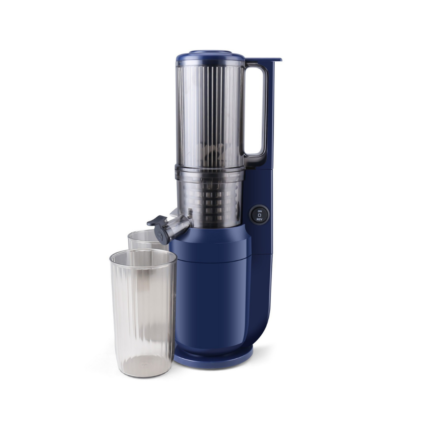
Cold Press Juicer, 200W, 600ml, 82mm Wide Chute
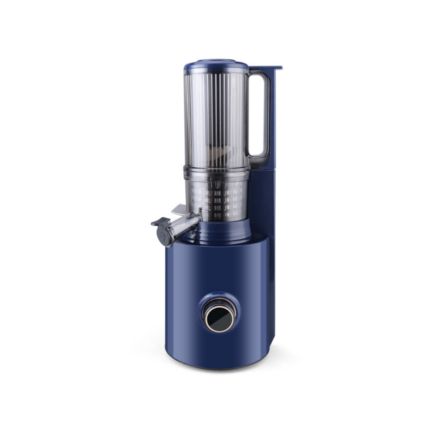
Cold Press Juicer, 200W, 600ml, 82mm Wide Chute
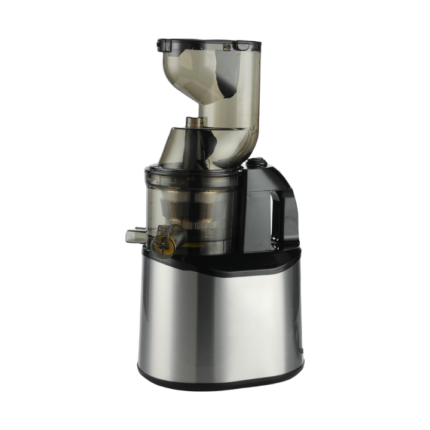
Cold Press Slow Juicer, 150W, 300ml, 70mm Chute
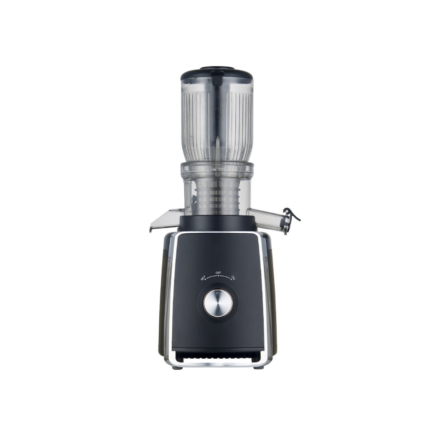
Cold Press Juicer, 250W, 800ml, 103mm Wide Chute
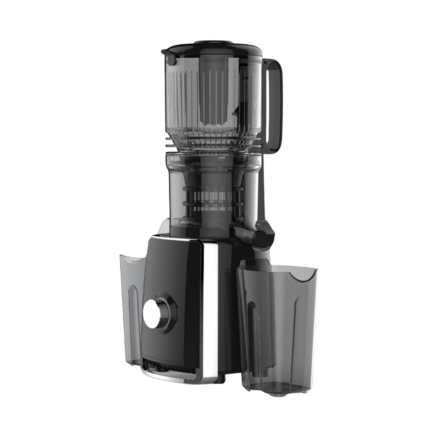
Cold Press Juicer, 250W, 800ml, 128mm Wide Chute
Use At Home manufactures these appliances direct from our Guilin, China factory — OEM, private-label and B2B welcome.
📧 [email protected] · 📞 +86 159 7211 2720 · Request a quote
Sourcing in volume? See our cold press juicer manufacturer in China hub for OEM, MOQ and wholesale pricing direct from the factory.